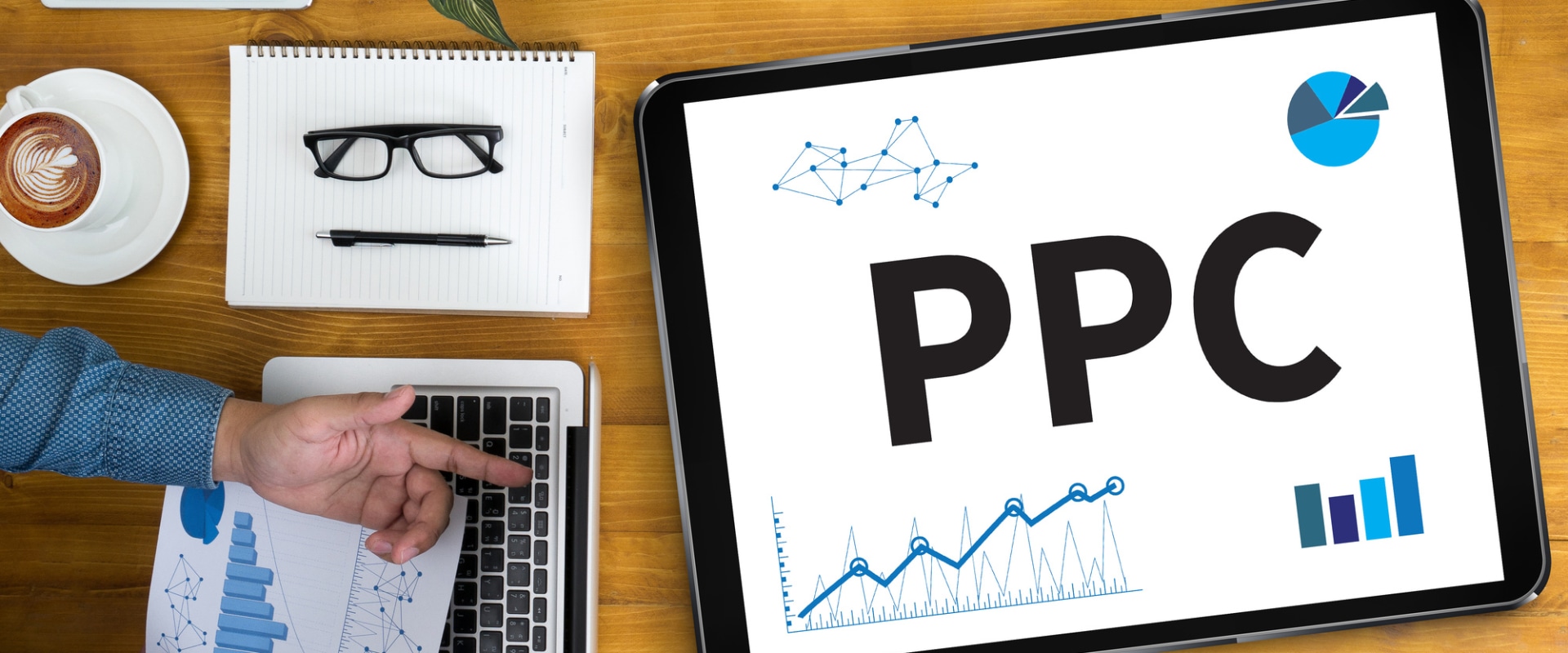
One of the main advantages of Google Ads is that advertisers can have full control over their offers and pay everything that their traffic represents to them. Google will then calculate the ad ranking for each competing ad, which will determine if and where your ad will be placed in the paid results section. Ad rank is determined by factors such as quality score, ad relevance, and maximum bid, and ad rank directly influences both ad placement and the actual amount paid per click. A PPC company like Cardinal Digital Marketing can develop, launch and manage your paid search campaigns on popular ad platforms, such as Google Ads. You’ll never pay more in a day than your daily spending limit and you’ll never pay more than a month than your monthly spending limit (your average daily budget x 30.4€; although if you don’t campaigns on popular ad platforms, such as Google Ads. You’ll never pay more in a day than your daily spending limit and you’ll never pay more than a month than your monthly spending limit (your average daily budget x 30.4€; although if you don’t pay for Google Ads with the billing method, you can set a monthly spending limit at the account level).
Even though consumers do more than 160 billion searches per month with Google, many people still wonder how much they spend launching a Google Ads campaign. The best thing about Google Ads is that, while it works like an auction, the winners are not chosen based on the offer alone and the maximum bid is not necessarily paid. The actual CPC (cost per click) is often less than your maximum bid, as it is determined by the Google Ads auction based on the ad rank of competitors ads. Google Ads determines the winner of the auction and the actual amount paid per click by considering factors such as quality score, ad relevance, and expected click through rate. If you choose this route of working with a PPC company, expect to pay a monthly fee in addition to your monthly Google Ads spend.
Introduction to Google Ads
Google Ads is a leading advertising platform that empowers businesses to connect with their target audience and drive meaningful results online. By leveraging Google Ads, advertisers can create tailored ad campaigns that appear across the Google Search Network, Display Network, and other Google properties, ensuring their message reaches potential customers at the right moment. The cost of Google Ads—often referred to as Google Ads cost or Google Ads costs—varies widely based on factors like industry, target audience, campaign type, and bidding strategy. Understanding how Google Ads works and how to optimize your Google Ads campaigns is essential for maximizing your return on investment (ROI).
Getting started with Google Ads is straightforward. Businesses begin by setting up a Google Ads account and launching their first ad campaign. This process involves choosing a campaign type—such as search, display, or video—configuring targeting options to reach the right audience, setting a Google Ads budget, and crafting compelling ad copy and landing pages. Each campaign type offers unique benefits; for example, search ads appear directly in Google search results, while display ads are shown across millions of websites in the Google Display Network. By selecting the most effective campaign type and optimizing ad campaigns, businesses can boost their online visibility, attract more website visitors, and increase conversions.
A major factor influencing Google Ads pricing is the average cost per click (CPC). The average CPC represents the amount advertisers pay each time someone clicks on their ad. This cost per click can fluctuate significantly depending on the competitiveness of the industry, the relevance of the ad, and the specific keywords targeted. For instance, highly competitive keywords in sectors like legal services or finance often have a much higher average cost per click than less competitive niches. To keep Google Ads costs manageable and improve ROI, it’s crucial for businesses to select relevant keywords, write high-quality ad copy, and optimize their landing pages for conversions.
Google Ads offers a suite of tools and features designed to help advertisers get the most from their ad spend. Features like ad scheduling allow businesses to show ads at optimal times, while ad extensions provide additional information to make ads more engaging. Conversion tracking and Google Analytics integration enable businesses to measure key metrics such as click-through rate (CTR), conversion rate, and cost per conversion, helping them refine their marketing strategy and make data-driven decisions. By leveraging these tools, businesses can ensure their ads perform well and reach the right audience at the right time.
Budgeting is another critical aspect of running successful Google Ads campaigns. Businesses can set daily average budgets and spending limits to control their ad spend and avoid overspending. Determining the right monthly budget depends on marketing goals, target audience, and industry benchmarks. Regularly monitoring ad spend and campaign performance helps businesses stay within budget while maximizing the impact of their ads.
In summary, Google Ads is a versatile and powerful advertising platform that can help businesses of all sizes achieve their marketing goals. By understanding how Google Ads determines costs, optimizing ad campaigns, and utilizing the platform’s robust features, businesses can increase their online presence, drive more qualified traffic, and achieve a higher ROI. Whether you’re a small business owner or managing large-scale ad campaigns, Google Ads offers the flexibility and tools needed to reach your target audience and grow your business.